Technical Guides
Content TODO
-

Guide 1: 2D Design
Since the introduction of Photoshop in the early 1990’s, digital editing and design tools have come to replace the traditional use of pen and paper.
-
Guide 2: Video Editing And 360 Video Production
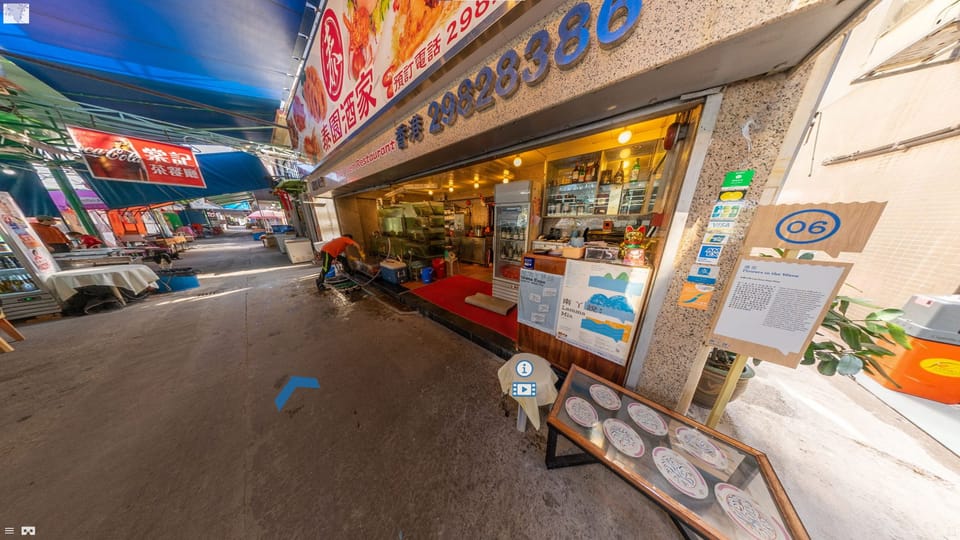
The history of film is tied to the transformations in technology and recording mediums used by filmmakers, which have moved from celluloid film to video to digital video in the course of 100 years.
-
Guide 3: 3D Modeling And 3D Printing
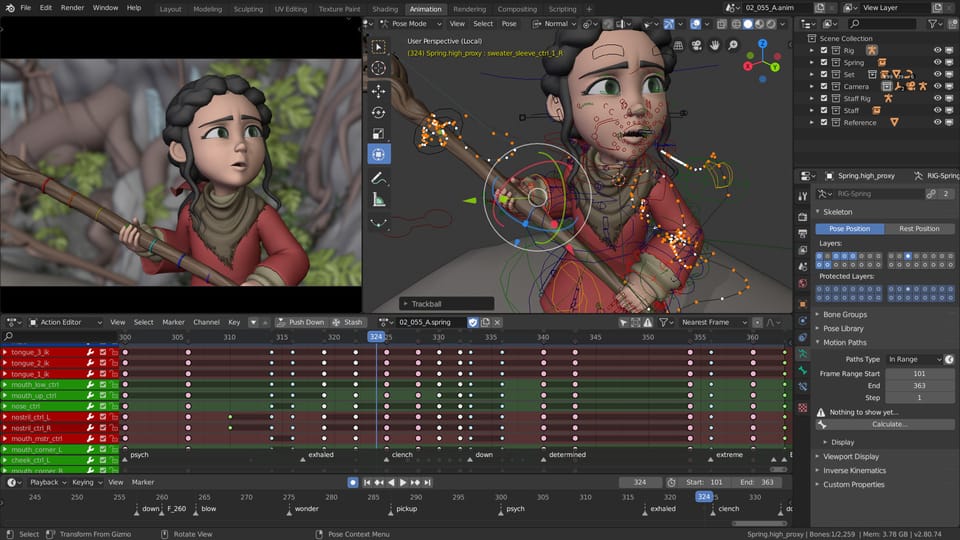
The concept of using an interactive, 3D dimensional display to manipulate geometric forms in virtual space was first introduced by computer scientist Ivan Sutherland in 1963. This created a revolution not only in personal computing but in engineering and architecture too.
-
Guide 4: Game Engines, VR/AA and the Metaverse
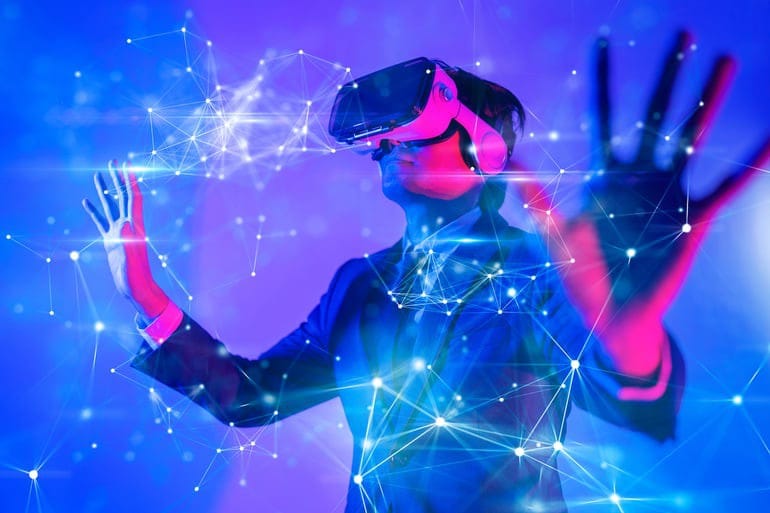
Virtual reality (VR) refers to immersive, interactive 3D virtual environments with integrated head and hand tracking and fields-of-view which replicate human vision.
-
Guide 5: Machine Vision, Generative Ai And Assistants
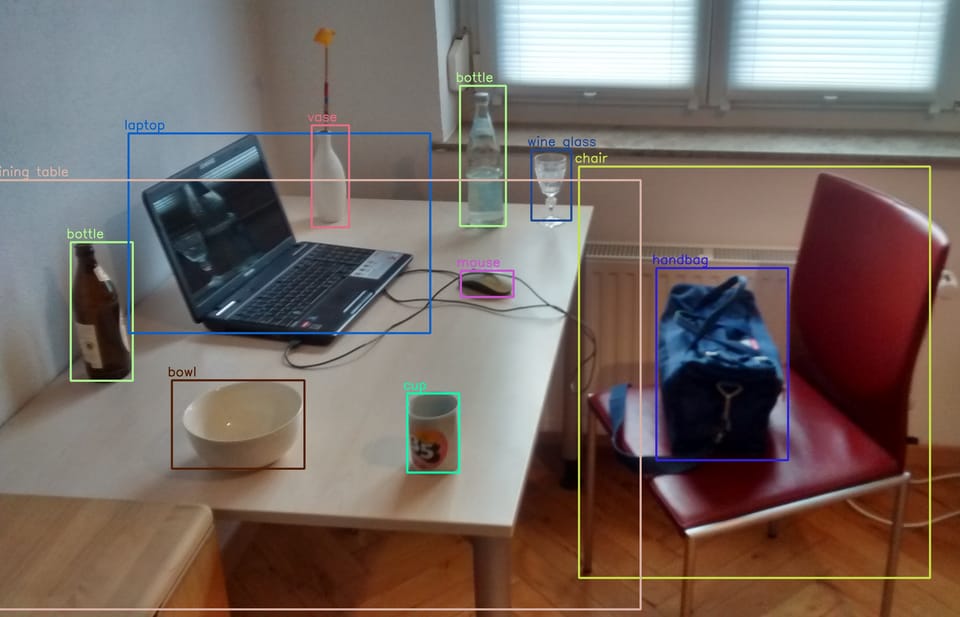
Machine vision lets computers see and interpret visual data. Generative AI creates new content like text, images, and code from simple prompts. AI assistants combine these capabilities to converse naturally, automate workflows, and act as smart digital helpers.
-
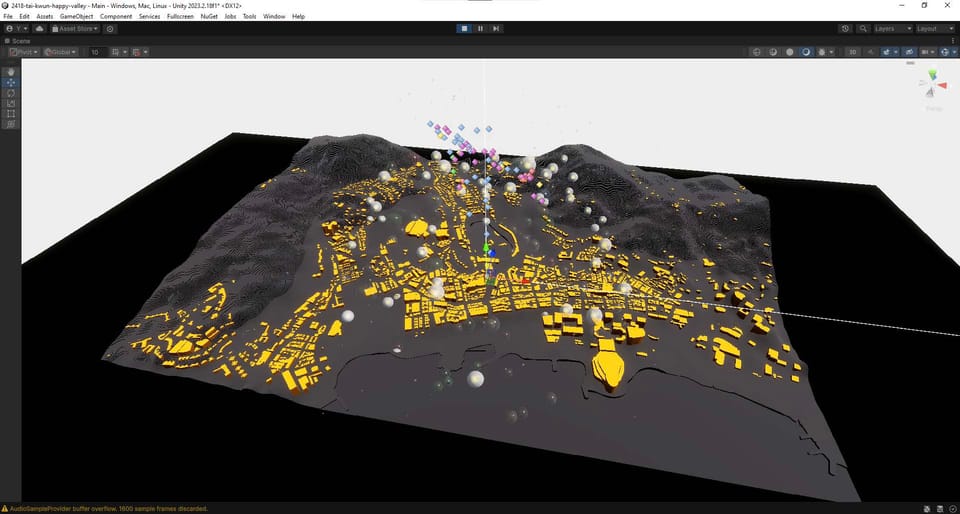
Guide 6: Interactive Applications
Interactive applications are software programs that respond to user input in real time, creating dynamic, engaging experiences. Unlike traditional passive media, interactive applications place the user at the center of the experience.